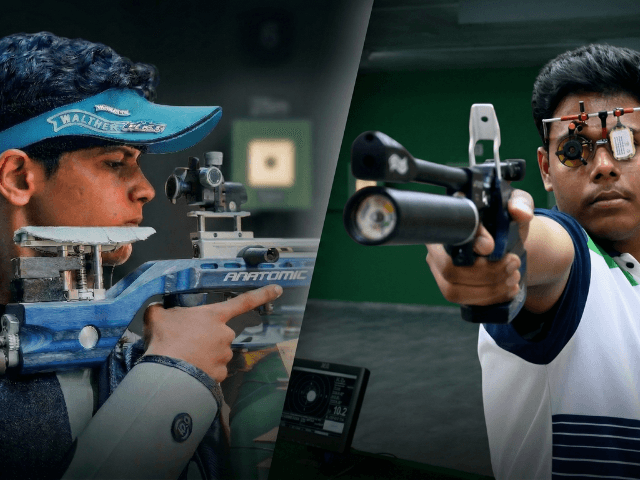
One of the first questions every beginner asks before starting their shooting journey is this: rifle vs pistol — what is the actual difference, and which discipline is right for me? It’s a great question, and the answer goes beyond just the air events most people picture first.
Understanding the rifle vs pistol comparison is the smartest first step any new shooter can take, whether you’re weighing 10m Air Rifle against 10m Air Pistol, or looking further ahead to disciplines like 50m Rifle 3 Positions or 25m Rapid Fire Pistol.
Both rifle and pistol are Olympic shooting sports. Both demand extraordinary focus, technique, and mental discipline. But they are fundamentally different disciplines — in how you hold the gun, the events within each, the physical demands, and the learning curve. This guide breaks down 7 key differences so you walk in informed, not confused.
What Are the Rifle and Pistol Disciplines?
Before comparing rifle vs pistol, it helps to understand what each discipline actually includes — because “rifle” and “pistol” aren’t single events, they’re families of events.
Rifle discipline covers several Olympic and national events, including:
- 10m Air Rifle — fired standing at a 10-metre target, both hands supporting the stock against the shoulder
- 50m Rifle 3 Positions — kneeling, prone, and standing positions at 50 metres, considered one of the most demanding endurance events in the sport
- 50m Rifle Prone — fired lying down at 50 metres, prized for its precision
Pistol discipline also spans multiple formats:
- 10m Air Pistol — fired standing, one arm fully extended, at a 10-metre target
- 25m Sports Pistol — a two-part event combining precision and rapid-fire stages
- 25m Rapid Fire Pistol — one of the fastest events in the sport, testing speed and precision under a strict time limit
- 50m Pistol (now largely folded into modern formats internationally) — a classic long-range precision event
All of these are governed by the International Shooting Sport Federation (ISSF) and feature at the Olympics, Asian Games, and Commonwealth Games. Now let’s look at what actually separates rifle discipline from pistol discipline.

Rifle vs Pistol: How You Hold the Gun
This is the most fundamental difference in the rifle vs pistol comparison, and it holds true across every event in each discipline.
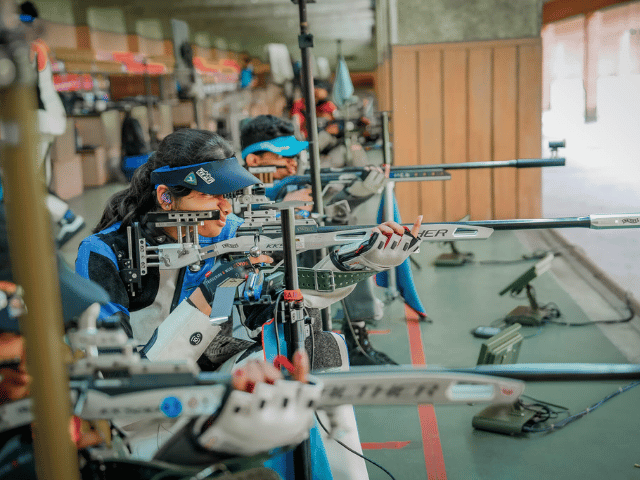
With any rifle event, you use both hands and your body to support the gun. The stock rests against your chest and shoulder, giving you three solid points of contact. Your skeleton does much of the stabilising work — a principle that applies whether you’re shooting 10m Air Rifle or 50m Rifle 3 Positions.
With any pistol event, one arm does everything. The gun is held extended in a single hand with no contact with the body. Every movement — your heartbeat, your breath, a slight muscle tremor — is visible on the target. This is true across 10m Air Pistol, 25m Sports Pistol, and 25m Rapid Fire Pistol alike.
This difference in hold affects your posture, your muscle use, your breathing control, and how long it takes to develop consistent technique — regardless of which specific event within the discipline you pursue.
Stability and Technique Demands
Because of the difference in hold, the stability demands of rifle discipline and pistol discipline are very different — and they scale differently as you move into longer-range events.
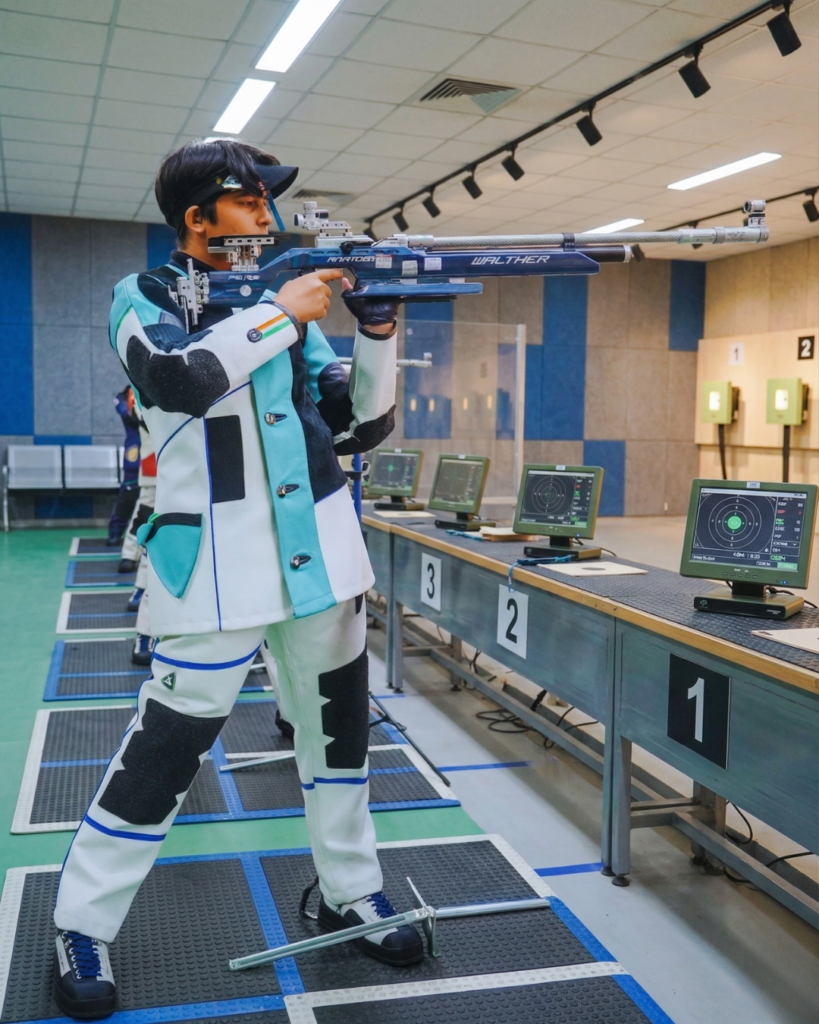
Rifle allows the body to create a more naturally stable platform. Beginners typically find it easier to group shots consistently in the early stages, even as they progress from 10m Air Rifle toward the greater physical demands of 50m Rifle 3 Positions, where holding a kneeling or standing position for extended periods becomes its own challenge.
Pistol demands exceptional stability from a single arm and wrist from day one. Research in sports science shows that stability of hold accounts for a significant portion of performance in pistol shooting — a quality that takes considerable time and dedication to refine, whether at 10m or in the fast-paced 25m Rapid Fire event.
This stability gap is one of the most discussed aspects of the rifle vs pistol discipline comparison among coaches and beginners alike.
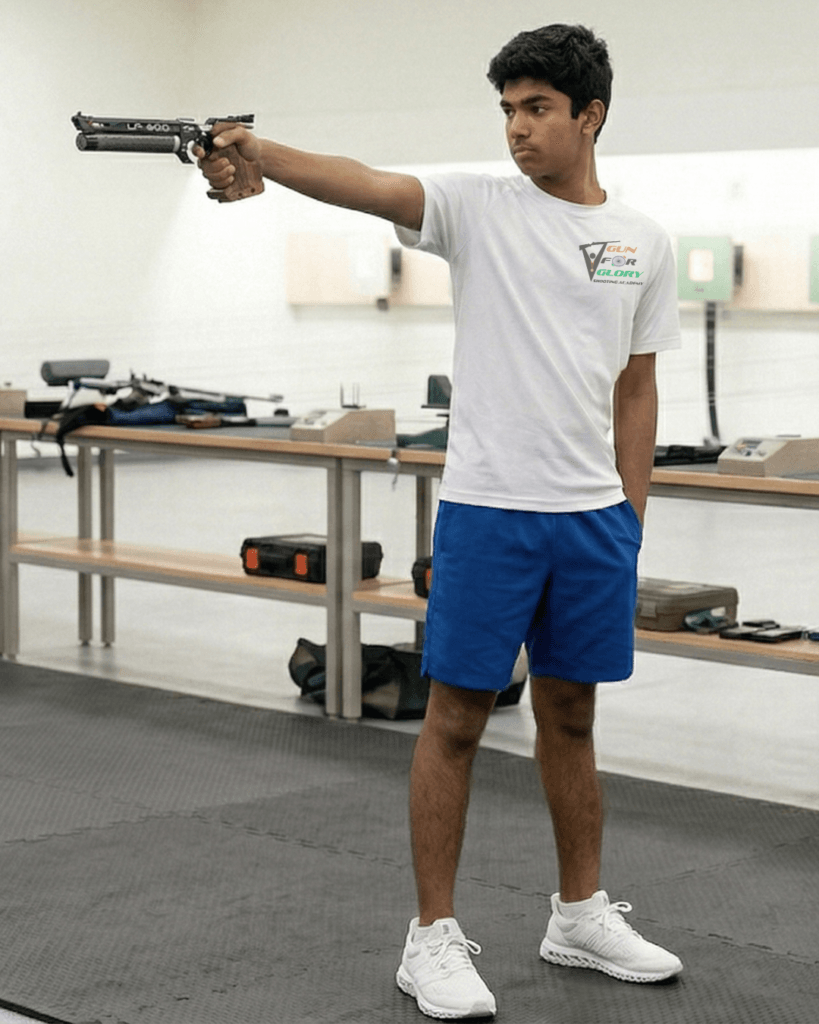
This stability gap is one of the most discussed aspects of the air rifle vs air pistol comparison among coaches and beginners alike.
Physical Demands on the Body
Rifle and pistol disciplines each place unique demands on the body — and these demands intensify as athletes move into more advanced events within each discipline.
In rifle, the primary physical requirements are core strength, postural balance, and the ability to maintain a still, aligned position for extended periods. This becomes especially demanding in 50m Rifle 3 Positions, where athletes hold three different stances across a long competition.
In pistol, the focus shifts to arm endurance, shoulder stability, and wrist control. Holding a pistol extended at shoulder height across 60 shots is more physically taxing than most beginners expect — and events like 25m Rapid Fire Pistol add split-second timing pressure on top of that physical demand.
Neither discipline requires athletic bulk. But each requires specific conditioning that develops gradually through structured training.
Mental Demands and Focus
All precision shooting disciplines are deeply mental. But the nature of that mental challenge differs between rifle and pistol.
In rifle, the shooter must manage breath control, trigger release, and sight alignment — often across multiple positions and a longer competition format. Consistency across a long session is the core mental challenge.
In pistol, the mental game is even more exposed. Because there is no structural support from the stock, anxiety and distraction register immediately on the target. This is amplified in timed events like 25m Rapid Fire Pistol, where shooters must stay composed under a hard time limit. Top pistol coaches describe it as one of the purest tests of mental stillness in sport.
Both disciplines train the mind powerfully — just through different experiences and different event formats.
Equipment and Cost Differences
The equipment for rifle and pistol disciplines differs in size, weight, and overall cost of entry — and this varies further depending on which specific event you pursue.
Rifle requires more accessories at the competitive level — a shooting jacket, specialised trousers, shooting boots, and a glove. These are designed to support posture and reduce unwanted movement during the shot, and become increasingly important as athletes move from air rifle into the more physically demanding 3-position event.
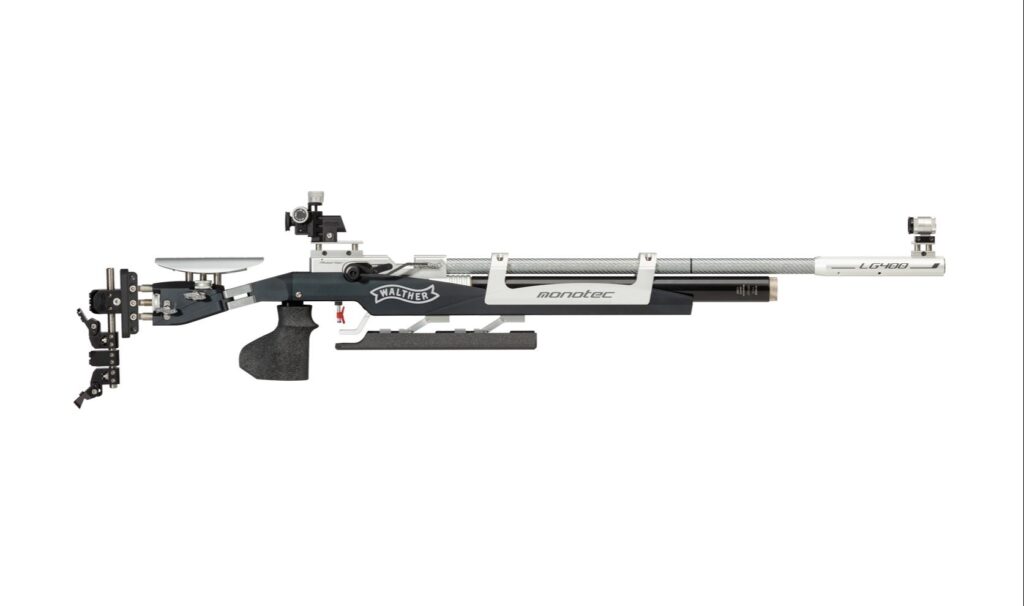
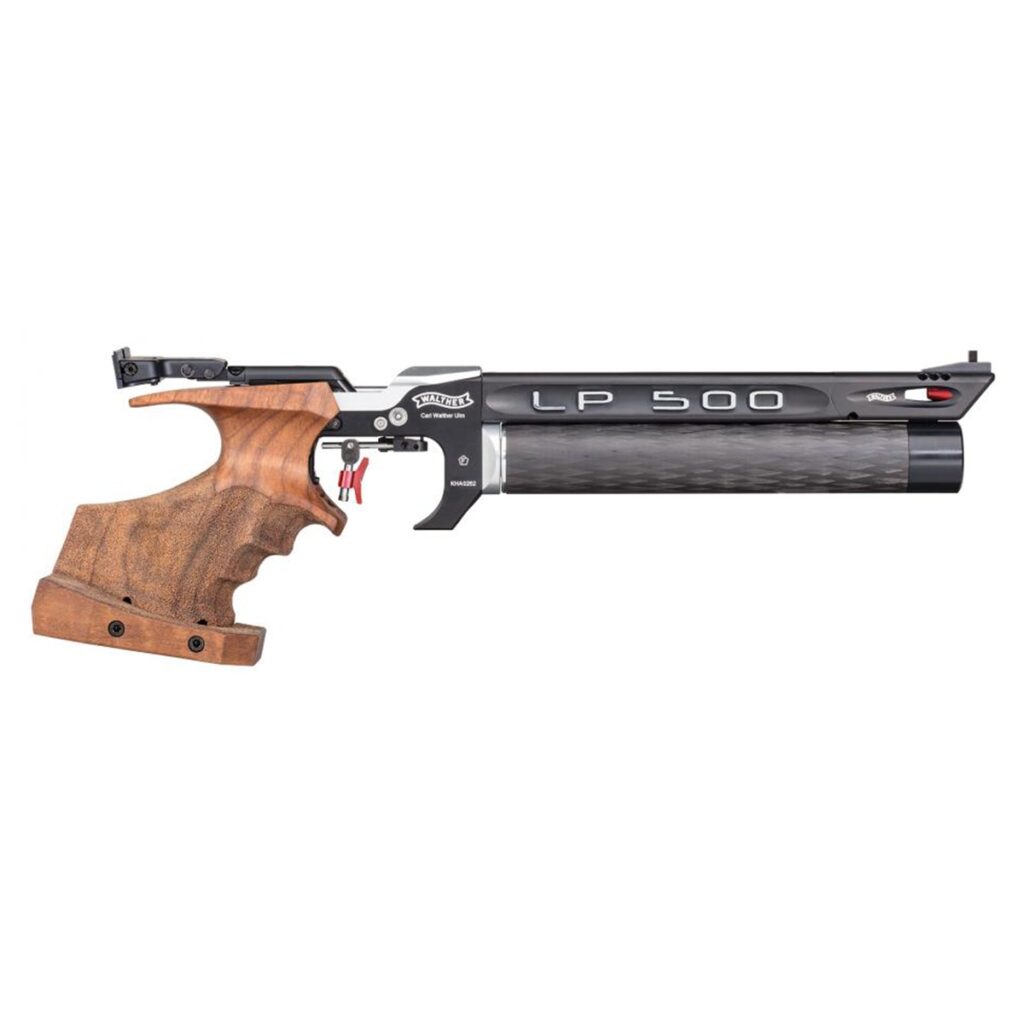
Pistol is more compact and portable at the entry level. Clothing investment is lower for beginners, though top-level match pistols are comparably priced to competition rifles, and rapid-fire events require specialised timing equipment for training.
From a cost perspective, rifle vs pistol is not a dramatic difference at beginner level — but it’s worth factoring in as you consider which specific events within each discipline you want to pursue long-term.
Competitive Pathways and Olympic Relevance
Both rifle and pistol disciplines have well-established competitive structures in India and internationally, across all their respective events.
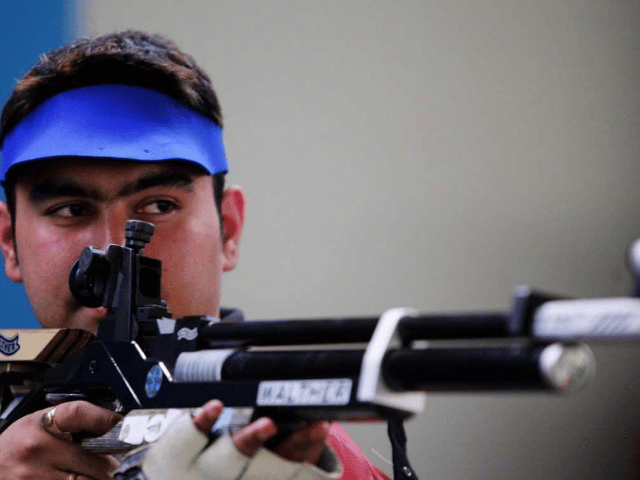
At the Olympic level, both disciplines include multiple individual and mixed team events. India has produced champions across both — Gagan Narang’s Bronze in 10m Air Rifle at the 2012 London Olympics, alongside strong pistol performances across 10m Air Pistol and 25m events at Asian Games and World Cups — reflecting the depth of Indian talent across every discipline and event.
In the NRAI competition calendar, both rifle and pistol disciplines run from district level all the way to the national championship, with athletes able to specialise in specific events as they progress. Whichever discipline — and whichever event within it — a shooter pursues, the competitive pathway is equally well-established.
Learning Experience for Beginners
The beginner experience in rifle discipline and pistol discipline has its own character, and most athletes start with the air variants before deciding whether to specialise further.
In rifle, the structural support of the gun means beginners typically see more consistent early results with 10m Air Rifle. The feedback loop between technique changes and shot outcomes is relatively clear, which is why it’s the standard entry point before athletes consider whether to move toward 50m formats.
In pistol, early training with 10m Air Pistol is more challenging and progress can feel slower. However, shooters who build strong pistol fundamentals often develop exceptional mental focus and fine motor control — skills that carry directly into more advanced pistol events like 25m Sports Pistol or Rapid Fire.
The right discipline in the rifle vs pistol debate depends on personality, physical build, coaching access, and which sport genuinely excites the shooter.
The Best Way to Decide? Try Both.
Reading about rifle vs pistol discipline can only take you so far.
The most effective way to find your discipline is to experience both under proper guidance — to actually hold each gun, fire a few shots, and feel which challenge energises you.
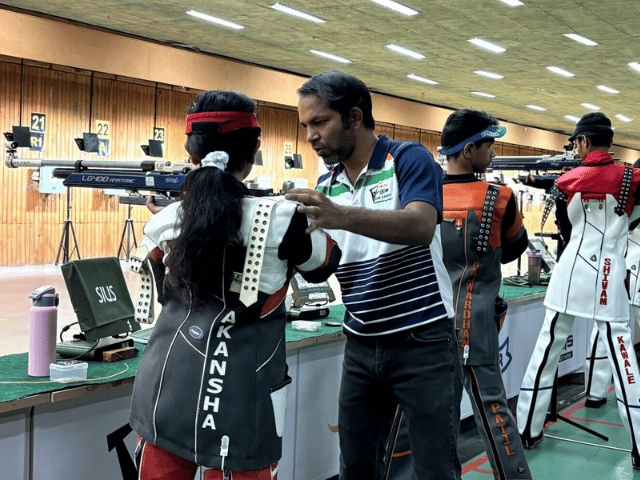
At Gun For Glory Shooting Academy, our Foundation Course is built exactly for this moment.
It is a 1-month introductory program for complete beginners, with 2 hours of structured training every day covering technical, mental, and physical development across both rifle and pistol disciplines. What makes it different is the Technical and Physical Assessment built into the program — our coaches evaluate each shooter individually and recommend the ideal discipline and event based on their body type, aptitude, and natural shooting profile.
The course also includes SCATT training — the same optoelectronic system used by Olympic-level shooters — to give real data on your aiming stability and trigger control from day one. All equipment and consumables are provided. You bring nothing but the willingness to learn.
By the end of the month, the rifle vs pistol question is no longer a guess. It is an informed decision backed by expert coaching and real assessment.